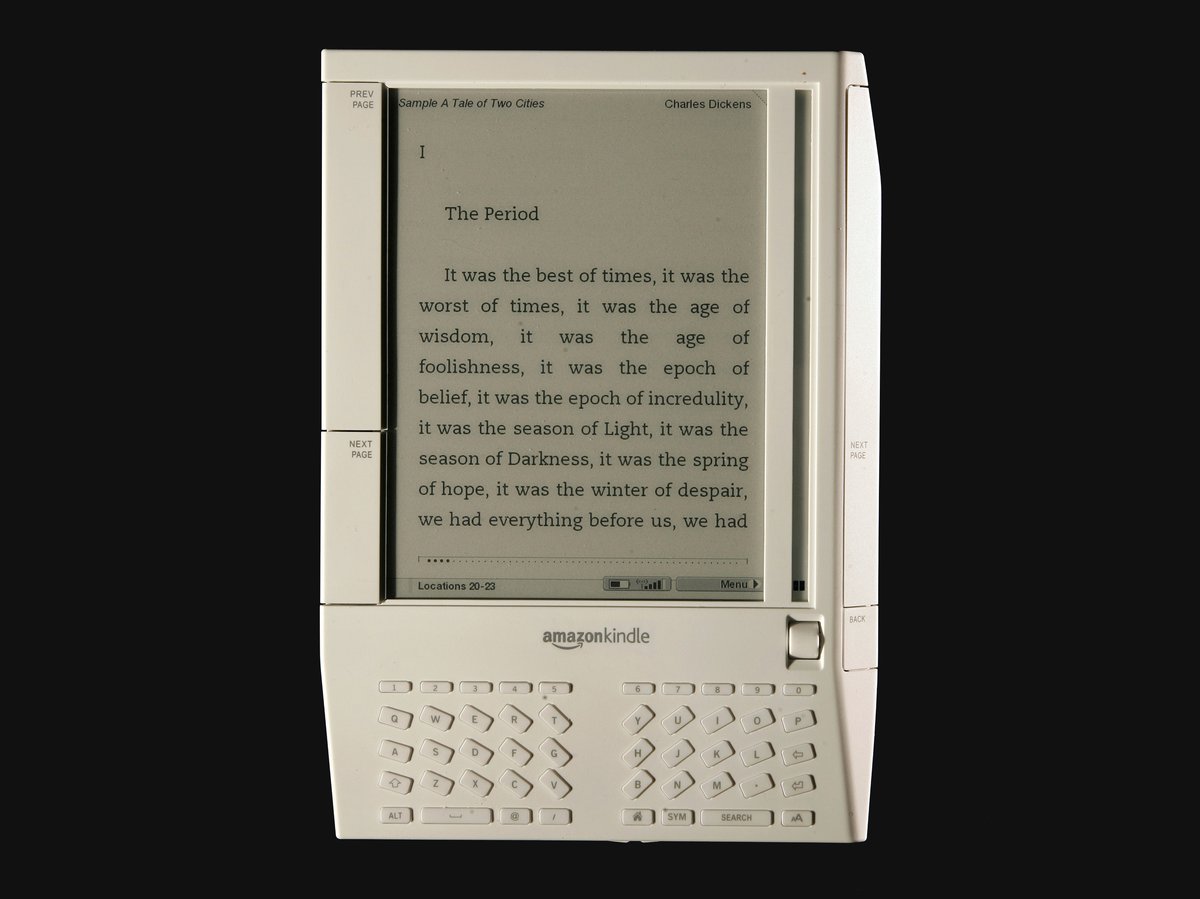
The world of reading underwent a quiet revolution when Amazon first introduced its Kindle e-reader. More than just a gadget, the Kindle became a gateway to an endless library, transforming how millions consume books. From its humble beginnings, the Kindle has not only dominated the e-reader market – currently valued at $6.2 billion and projected to double to $13.5 billion within the next decade, with Amazon commanding an estimated 80% share – but has also continuously innovated, setting the standard for digital reading experiences.
This super pillar hub article will take you through the remarkable journey of Kindle generations, exploring the groundbreaking devices, the sophisticated software that powers them, the vast content ecosystem, and their profound impact on reading habits and the broader market. Prepare to rediscover the evolution of a device that truly changed the page.
The Genesis of Digital Reading: From Wedge to Wireless Wonders
The story of the Kindle began in 2007 with a bold vision and a three-year development cycle. The first Kindle, priced at $399, was a distinctive, wedge-shaped device with a physical keyboard and dedicated page-turn controls. Its true innovation lay in its 3G-powered Whispernet, which allowed wireless book downloads directly to the device, famously selling out in a mere five hours. This original model, alongside its early successors like the slimmer Kindle 2 (2009) and the larger Kindle DX (2009) designed for newspaper and magazine readers, laid the groundwork for what was to come.
These early devices, featuring e-ink screens that mimicked paper and offered impressive battery life, immediately captured the imagination of readers. They demonstrated Amazon's commitment to making digital books accessible anytime, anywhere. To delve deeper into the specific models and their defining characteristics, you'll want to explore the detailed chronicle of each device in our dedicated guide: Kindle Device Evolution & Models.
Redefining the Reading Experience: Touchscreens, Backlights, and Premium Design
The trajectory of Kindle innovation accelerated rapidly. The Kindle Keyboard (2010), smaller and lighter with a higher-contrast display, introduced the option of Wi-Fi connectivity and, from 2011, more affordable ad-supported models. Then came the true game-changers: the Kindle Touch (2011), which brought intuitive touch-capable e-ink screens, eliminating many physical buttons and debuting handy features like X-Ray for instant word definitions. Prices dropped below $100 for the first time, making digital reading even more accessible.
However, it was the Kindle Paperwhite in 2012 that truly cemented Kindle's status as the quintessential e-reader. Marketed as "the most advanced e-reader ever constructed," it featured a sharper 212-ppi display with a revolutionary built-in front light. This innovation allowed comfortable reading in any lighting condition, a feature that quickly became a standard expectation for premium e-readers. Subsequent iterations like the Paperwhite 2 (2013), and the more premium Kindle Voyage (2014) and Kindle Oasis (2016) series, pushed boundaries with higher resolution screens (up to 300-ppi E-Ink Carta), auto-adjusting lights, and increasingly refined, thinner designs. The Oasis models even introduced innovative ergonomic shapes and extended battery life through smart cover integration, leading to the first waterproof Kindle Oasis 2 in 2017.
Expanding Horizons: Waterproofing, Audio, and Niche Experiences
As Kindles matured, so did their feature sets, branching out to cater to diverse reader needs. The Kindle Paperwhite 4 (2018) brought premium features like waterproofing (IPX8) and Bluetooth connectivity to the mid-range, making it a fan favorite. This move democratized features previously exclusive to higher-end models. Amazon also acknowledged younger readers with the Kindle Kids (2019), bundling an ad-free device with child-friendly content and a robust warranty.
The most recent generations continue this trend of diversification. The Kindle Paperwhite 5 & Signature Edition (2021) introduced larger screens, warm lighting, and, for the Signature Edition, wireless charging. In 2022, Amazon ventured into the large note-taking e-reader space with the Kindle Scribe, boasting a 10.2-inch, 300-ppi screen and stylus support for writing and drawing. And the latest frontier? Color. The Kindle Colorsoft (2024) promises a vibrant seven-inch color-capable display, bridging the gap for those who desire more than monochrome. The journey of these devices is a testament to continuous innovation, and you can trace every step by exploring Kindle Device Evolution & Models.
The Unseen Power: Kindle's Software and User Experience
While the hardware is impressive, a Kindle's true magic often lies in its seamless software and user experience. Features like X-Ray, which debuted with the Kindle Touch, provide instant access to character bios and contextual information from Wikipedia and Shelfari. "Time to Read" (Paperwhite 2012) offers personalized estimates for finishing a chapter or book, while Goodreads integration (Paperwhite 2 2013) allows social sharing and book discovery directly from the device.
From the introduction of Dark Mode, which inverts screen colors for reduced eye strain in low light, to the evolution of E Ink display technology itself – from Vizplex to Pearl, Carta, and the latest Carta 1300 and Kaleido/Gallery color technologies – every advancement aims to enhance readability and comfort. Understanding how these features contribute to a superior reading environment is crucial, and you can dive into the details by reading about the Kindle User Experience & Software.
Beyond the Device: The Kindle Content Ecosystem
A Kindle device is only as good as the content it can access, and Amazon has meticulously built an unparalleled ecosystem. Whispernet, the original wireless delivery system, was the progenitor of today's seamless access to millions of e-books through the Kindle Store. This vast library is complemented by services like Audible, which seamlessly integrates audiobooks via Bluetooth on most modern Kindles, allowing users to switch between reading and listening.
Amazon Kids+ (formerly Kindle FreeTime), introduced with the Paperwhite 2 (2013), offers a curated library of kid-friendly content, complete with parental controls. The ease of purchasing, downloading, and organizing books, coupled with cloud storage access, makes the Kindle experience incredibly user-friendly. To truly grasp the depth and breadth of what's available to Kindle owners, you'll want to Explore Kindles content ecosystem Understand Kindle.
The Kindle's Enduring Impact and Position in the Market
The Kindle's journey has been instrumental in shaping modern digital reading habits. Its widespread adoption has normalized carrying an entire library in one's pocket, fostering a new appreciation for accessible literature. The device's eye-friendly e-ink screens and long battery life address key concerns for avid readers, influencing how and where people choose to engage with books. If you're curious about the broader trends and how devices like the Kindle have shifted reading preferences, then we recommend you Discover digital reading insights.
Despite rivals like Kobo and Nook, Amazon’s Kindles continue to dominate the e-reader market, thanks to a combination of continuous innovation, competitive pricing, and a robust content ecosystem. This market leadership highlights Amazon's strategic foresight and unwavering commitment to the e-reader category. To better understand the dynamics of this specialized market and how Kindle maintains its edge, be sure to check out our analysis of the Competitive Landscape & Market Impact.
The Next Chapter
From its initial, audacious launch to the sophisticated, diverse lineup available today, the Kindle has consistently evolved, adapting to technological advancements and reader demands. As we look to the future, with innovations like color e-ink and advanced note-taking capabilities becoming mainstream, the Kindle continues to redefine what an e-reader can be. It remains a testament to the power of focused innovation, promising many more chapters in the story of digital reading.